Ribbeck Castle
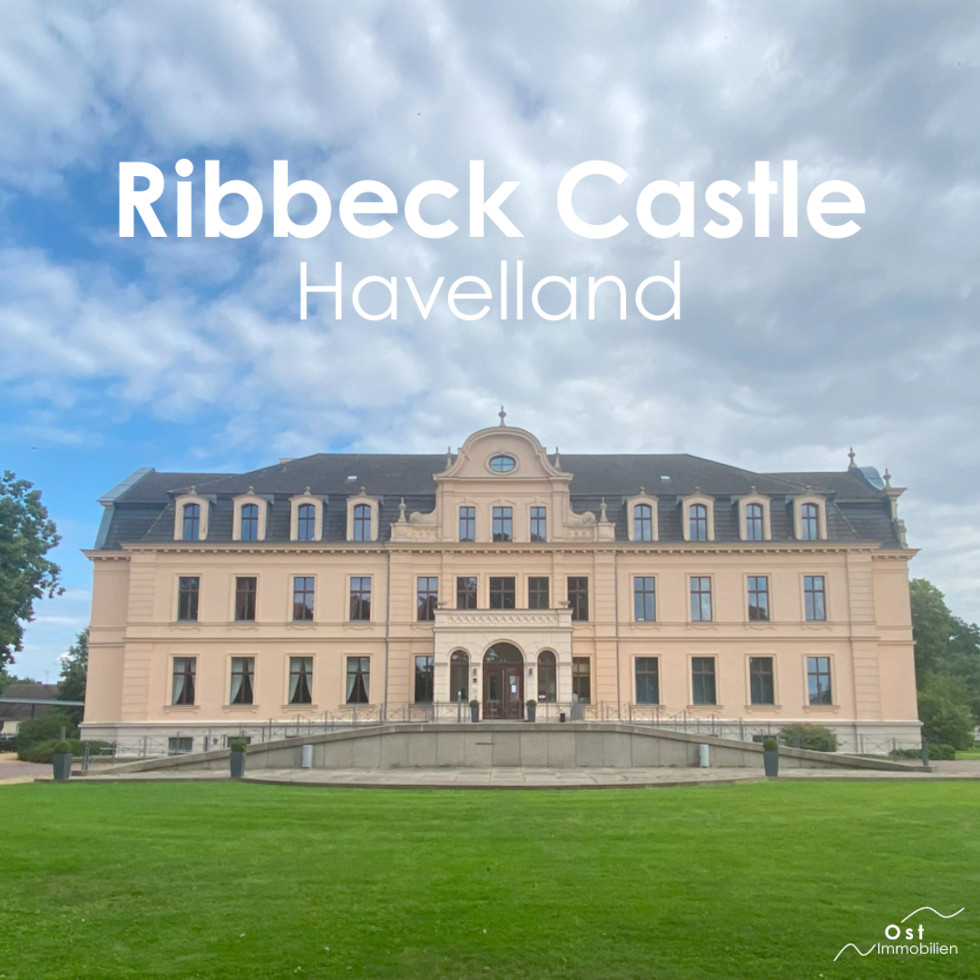
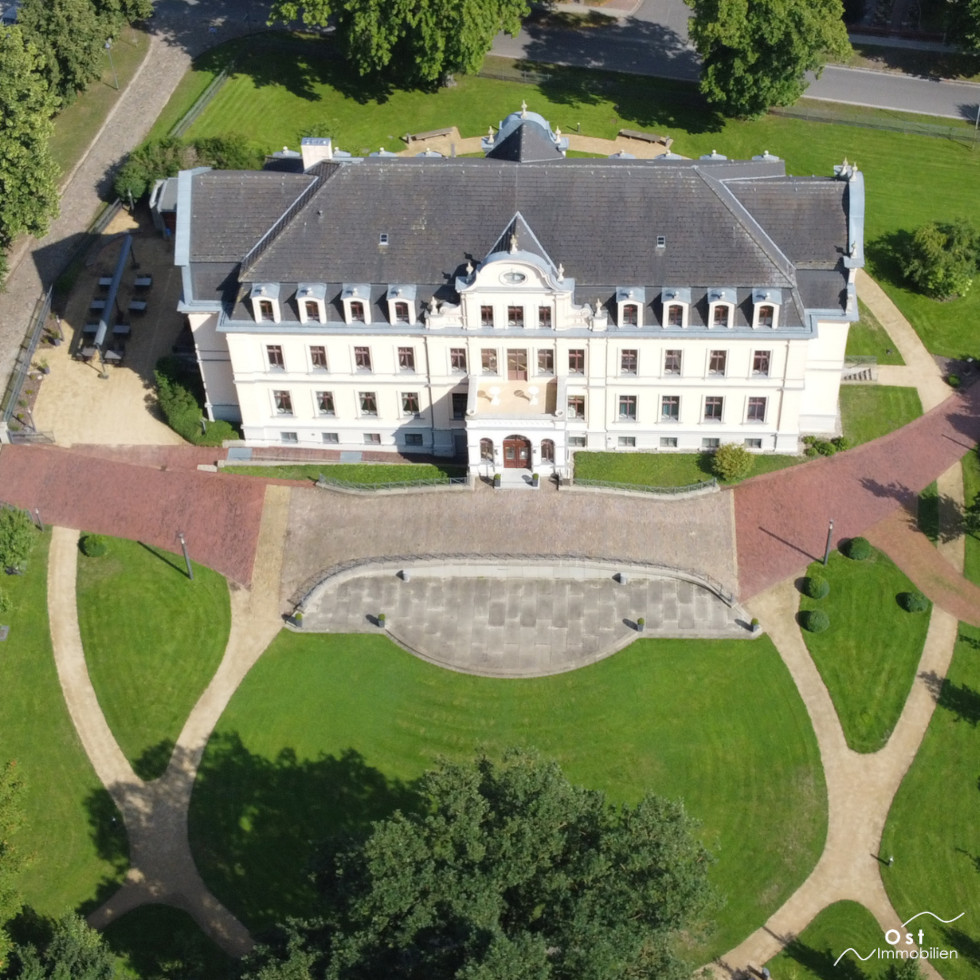
Ribbeck Castle viewed from the garden side. Cropped at the bottom: 3 life-size sculptures of naked women. Intentionally not shown here. See the original on-site or ask our service for a photo.
Ribbeck Castle – a place full of history, literature, and living culture, nestled in the picturesque Havelland region near Berlin. The name is well-known to many thanks to Theodor Fontane’s famous ballad *”Herr von Ribbeck auf Ribbeck im Havelland”*. But the estate offers far more than just literary heritage. This article invites you to trace its story – from its origins to surprising twists and today’s experiences surrounding the castle.
A Tale of the Castle and the Pear Tree
When people hear “Ribbeck,” they think of the pear tree – and the generous Lord von Ribbeck. Fontane tells the story of a landowner who gives pears to children, a tradition that lives on even after his death: A pear hidden in his coffin grows into the now-famous pear tree at his grave. That tree still stands in the churchyard in Ribbeck today – although it is a descendant of the original, which was lost in a storm in 1911.
This connection between the castle, the ballad, and the village still shapes the atmosphere today and draws literature lovers from all over the world.
Unexpected Facts About the Castle
Few people know how much Ribbeck Castle has been shaped by changing times and surprising events.
- After World War II, the Ribbeck family was initially allowed to continue living in the castle – as victims of National Socialism, they were even granted a small plot of land. But on November 11, 1947, full expropriation followed.
- From 1956 to 2004, the estate was used as a retirement home under East German rule and underwent significant architectural changes. After nearly complete vacancy and failed private sales, the castle was finally saved through public funding.
The History of Ribbeck Castle
Construction and Architecture
The current structure replaced an earlier 19th-century building, known as the “double-roof house” mentioned in Fontane’s ballad. The new castle was built between 1893 and 1895 by Hans Georg Henning von Ribbeck, who chose a Neo-Baroque style. The two-story building features bold cornices, a prominent central projection with a balcony, and a brick-paved carriage entrance.
In the cellar, remnants from various construction phases are still visible – from 17th-century vaulted ceilings to ceilings from the 1950s. The architectural diversity reflects the building’s changing functions over time.
Ownership and Use
For centuries, the estate was the ancestral seat of the von Ribbeck noble family, first mentioned in the 13th century. In the 19th century, the manor covered nearly 2,000 hectares, including forests and farmland. The last private owners were expropriated during the land reforms of the 1940s.
The following decades saw various state and municipal uses. A planned resale to investors failed after 2004. Only then did the district of Havelland take responsibility for restoration and public use.
Renovation and Restoration
Between 2005 and 2009, Ribbeck Castle was extensively restored with the goal of reviving its former Neo-Baroque splendor. Interior renovation alone cost around 1.7 million euros, with more than 1 million euros covered by subsidies. In addition to the facade, windows, and roof, accessibility was improved, and the historical park was refurbished.
Location and Property Overview
Ribbeck Castle is located in the village center of Ribbeck (municipality of Nauen), surrounded by the “old March landscape” described by Fontane. The estate includes the castle, park, outbuildings, and historic farm buildings, some of which are now used for events or as gastronomy.
Geographical coordinates: Latitude 52° 37′ 32.705″ (52.6257514748), Longitude 12° 45′ 2.354″. The elevation is approx. 35m above sea level. In the 19th century, the estate covered over 1,900 hectares, including about 1,000 hectares of forest. Today it’s much smaller, but the historical charm is still tangible throughout the village.
Ribbeck Castle Today: Culture, Pleasure and Experiences
Today, Ribbeck Castle is a vibrant cultural hub and a popular tourist destination in the Havelland region. Visitors can enjoy:
- Museum and Fontane Exhibition: A journey through the history of the castle and region, plus insights into the world of Theodor Fontane.
- Restaurant and Garden Café: Regional cuisine, seasonal ingredients, and creative delights in a park setting.
- Events: The castle hosts concerts, theater, readings, family celebrations, conferences, and weddings (including as a civil registry office).
- Art and Culture: Rotating exhibitions, chamber concerts, and festivals that blend tradition with modernity.
- Village and Surroundings: The historic village school with museum café, the church with its pear tree, and the accessible parish garden are part of a heritage walking tour through Ribbeck. The old washhouse offers a farm shop and legendary pear cake. Families love the Marienhof children’s farm with animals and outdoor play areas.
For High-Flyers: A Quick Summary
Ribbeck Castle is much more than a historical estate. It’s a symbol of Brandenburg heritage, a center for art, literature, and hospitality – a living venue where past and present meet. Those seeking the spirit of “Herr von Ribbeck” will find it here: in lush gardens, impressive architecture, and a rich cultural life. A visit is worth it – for foodies, culture lovers, families, and history buffs alike.
This article is based on publicly available sources and local history reports. The included Instagram photos (German or English) complement the article and offer an authentic impression of the property.
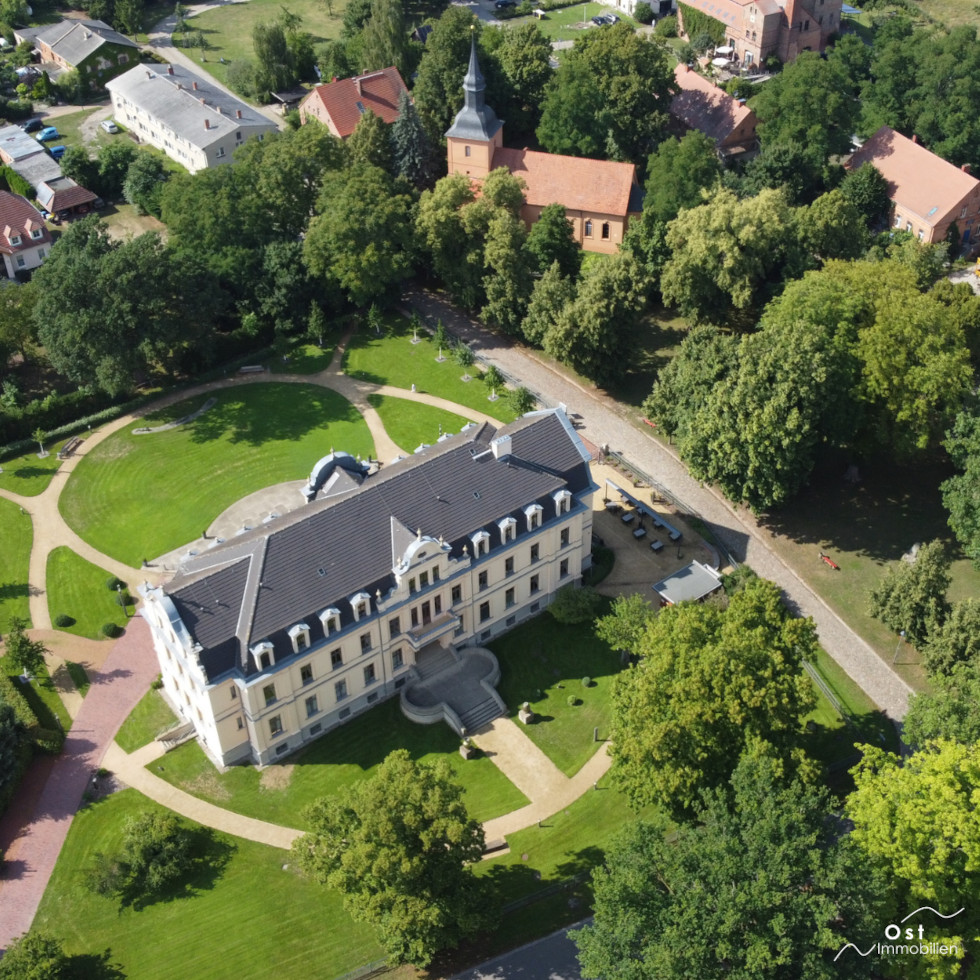
Ribbeck Castle captured from 320 feet (100 meters) by drone.
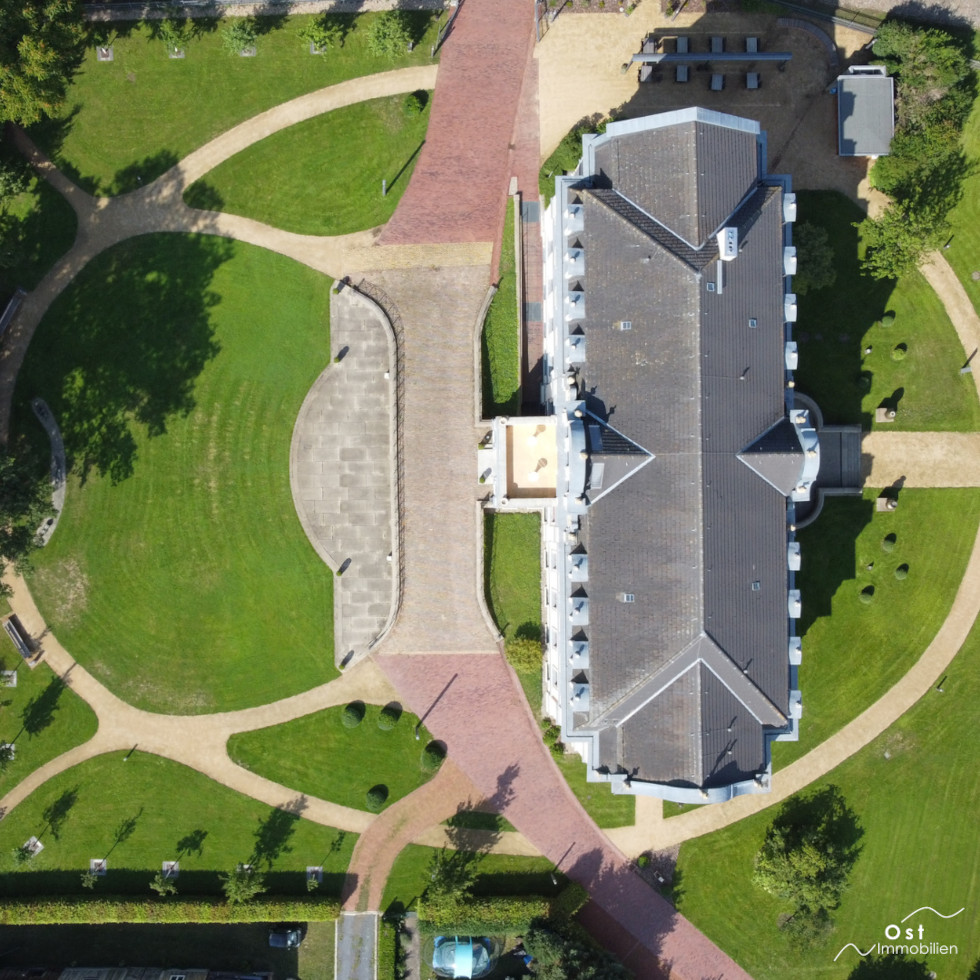
The park looks like an egg from above?
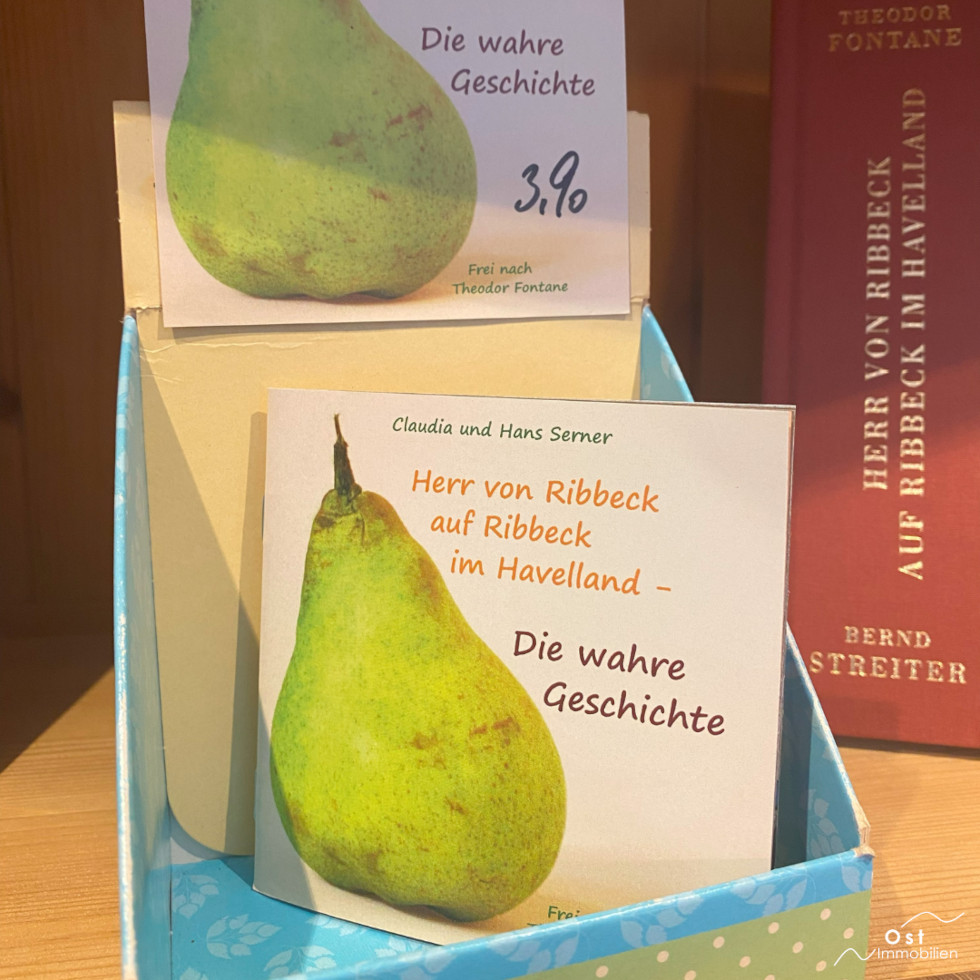
Lord von Ribbeck – the story to read – available at the café across the street or online at amazon.de *
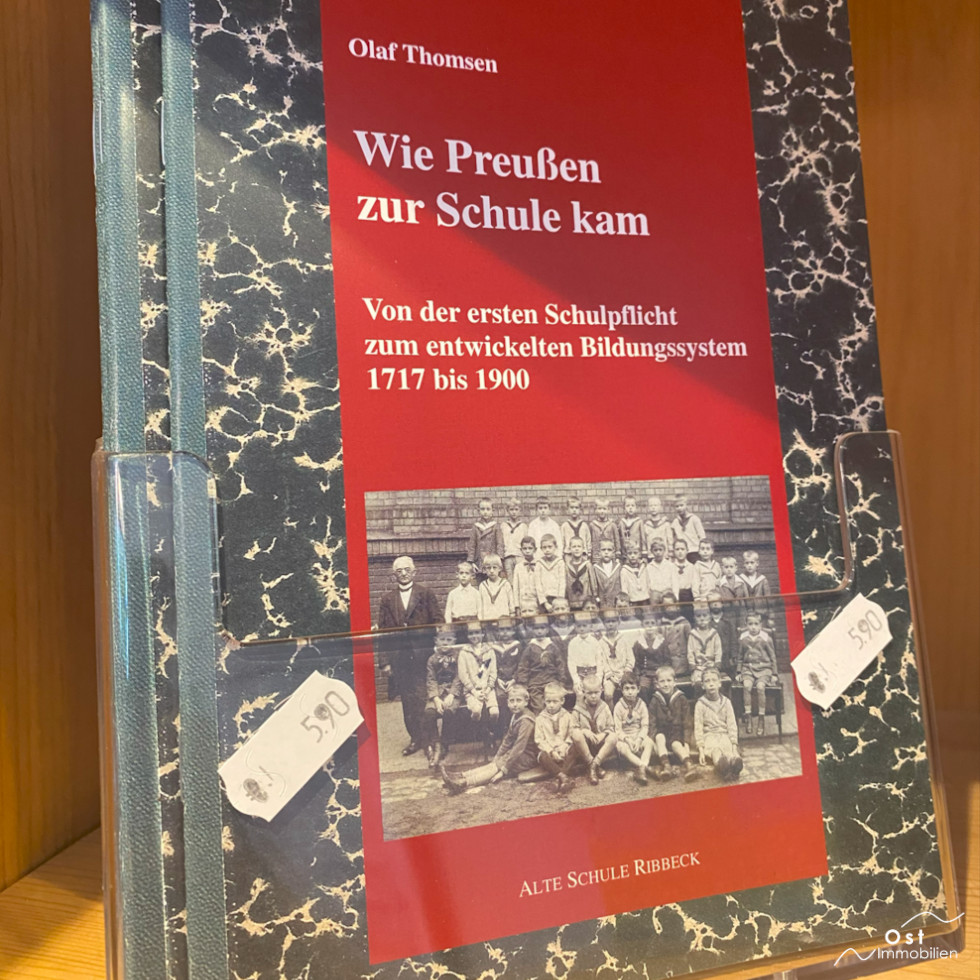
Books on Prussia can also be found at the café or at amazon.de *
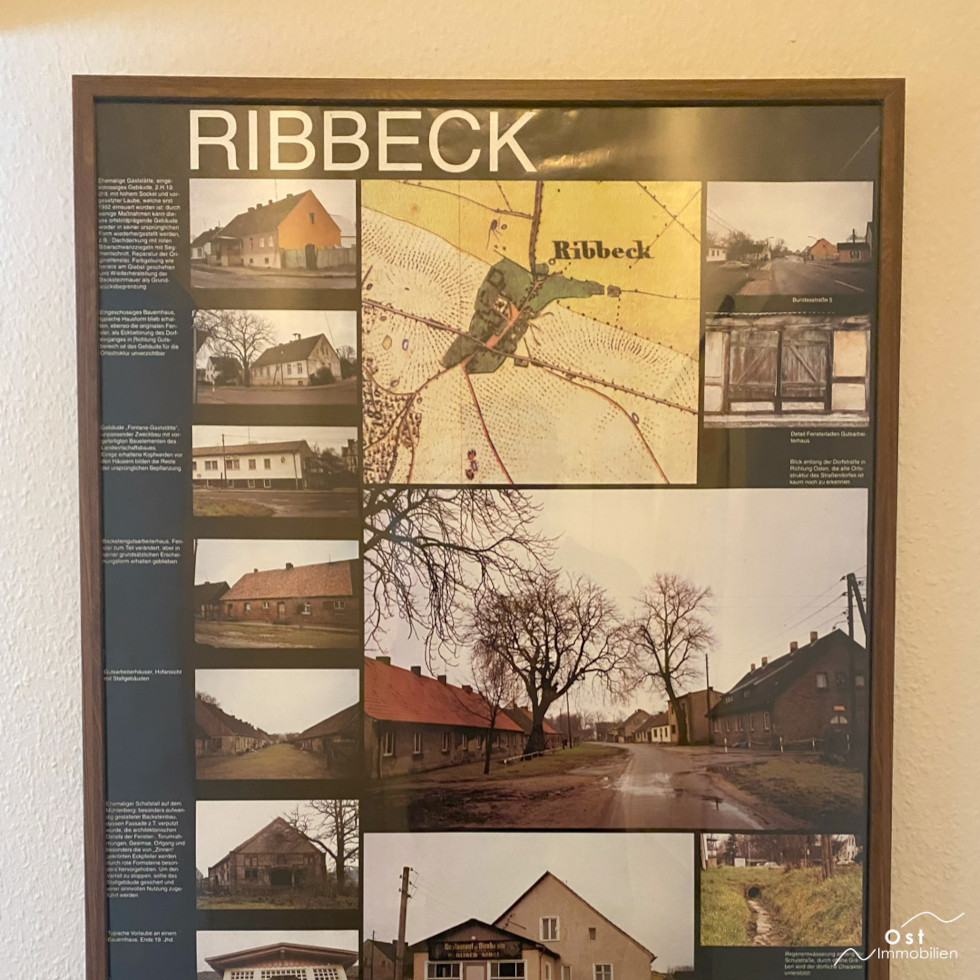
Historical images of Ribbeck village.
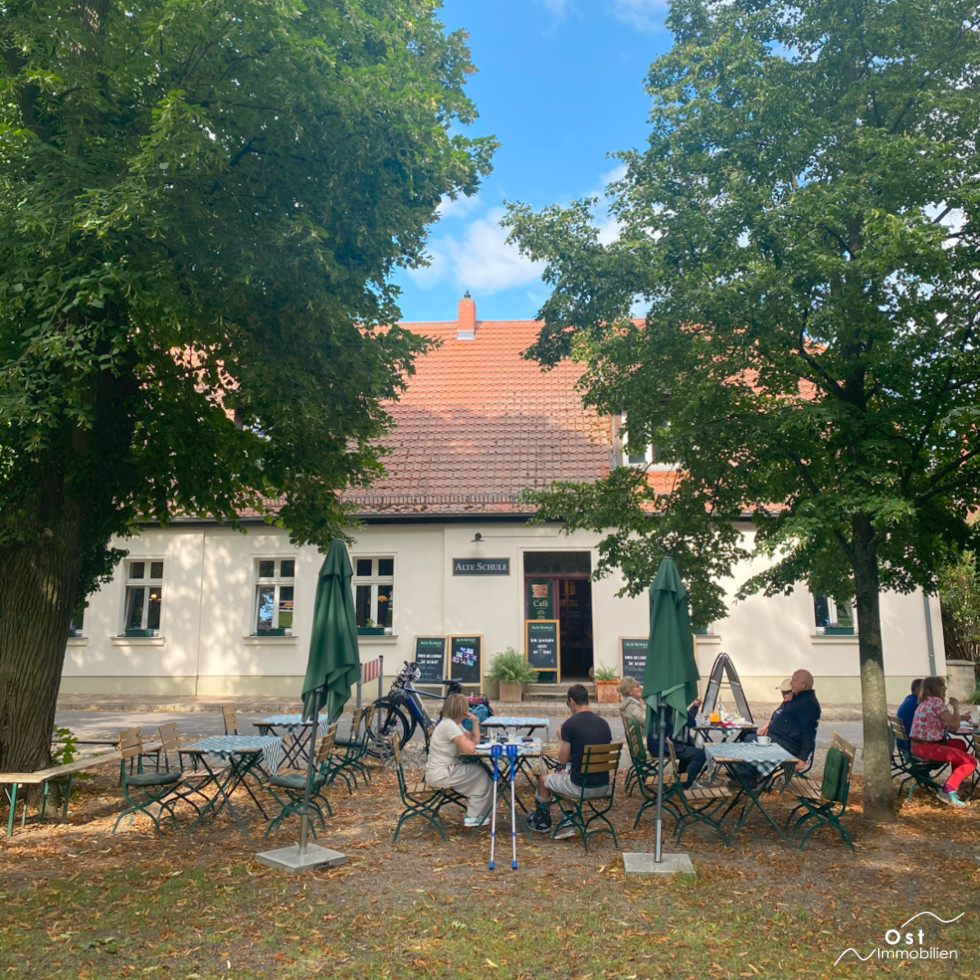
Across from the castle: the café “Alte Schule Ribbeck” – self-service and limited opening hours.
Final image for today. Curious for more?


Leave a Reply